The AI slop meaning most people reach for is simply "bad AI content". That is close, but it misses the part that matters. Merriam-Webster made slop its Word of the Year for 2025 and defined it as digital content of low quality that is produced usually in quantity by means of artificial intelligence. Notice what the definition does not say. It says nothing about artificial intelligence being bad at things. It describes quantity, and quantity is a decision a person makes.
That distinction is the whole argument of this piece. Because this has happened before, four times over, and each time we named the mess after the tool rather than the person operating it.
What AI slop actually means
AI slop is high-volume, low-effort content produced with a generative tool by someone who is not skilled in the craft they are producing for. Three things have to be true at once: the output is generic, there is a lot of it, and nobody applied judgement between the prompt and the publish button. Remove any one of those and it stops being slop. A single AI-assisted image made by a designer who knows what they are looking at is not slop. Four hundred of them posted without a second glance is.
The scale is real. Research by Graphite analysed 65,000 English-language articles published between January 2020 and May 2025. For example, before ChatGPT launched the AI-generated share sat around 10%. By late 2024 it had crossed 50% of all new web articles. However, the same research found the proportion then settled and has stayed near half for five straight quarters, which suggests a ceiling rather than a flood.
AI slop is the fourth wave, not the first
Every time a tool has made a skilled task fast and cheap, the same cycle has run. First, a job that needed a professional becomes available to everybody. Next, the people who take it up turn out not to be trained in that craft. Then, within a couple of years, the internet fills with work that all looks the same. Finally we name the sameness after the tool. Adobe slop. Website slop. Canva slop. Now AI slop.
Adobe made everyone a photo editor
Before desktop publishing, getting an image retouched meant paying a professional and waiting. Photoshop removed both the wait and the invoice. As a result, everybody started producing their own images. Meanwhile a specific visual signature spread across the web: the same drop shadows, the same bevels, the same lens flare on the same stock photo. None of that was Photoshop being a poor tool. Instead, it was thousands of people using a professional instrument without professional training.
WordPress templates made everyone a web developer
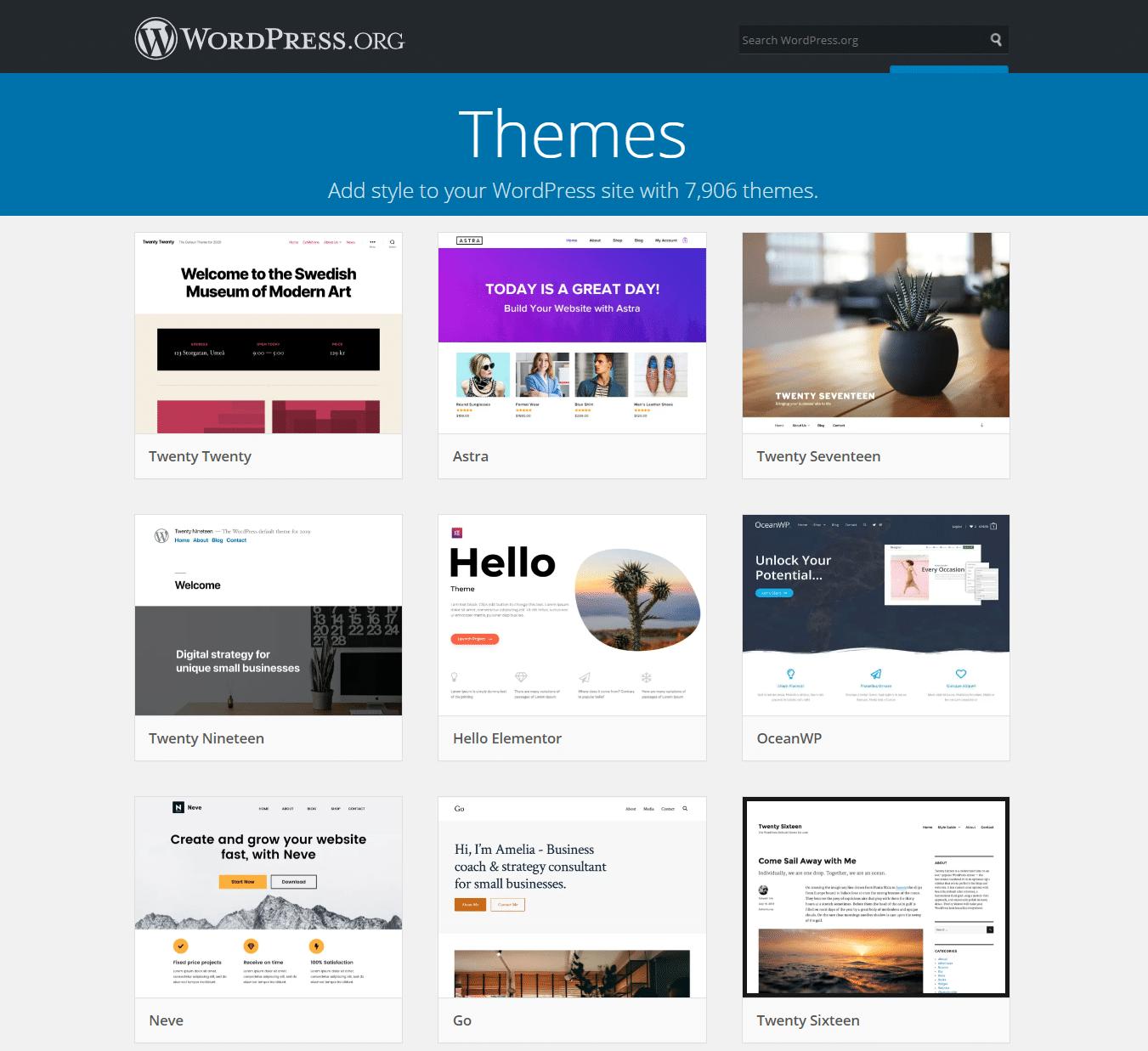
Websites once took months, a developer, and hand-written code. Then WordPress arrived with a theme directory, and the wait collapsed to an afternoon. The WordPress.org theme directory currently lists 7,906 free themes, before you count the commercial market on top. Consequently a small business owner who needed a website in 2014 picked from the same handful of popular themes as everyone else. As a result, the web filled with sites that were structurally identical under different logos.
Canva made everyone a graphic designer
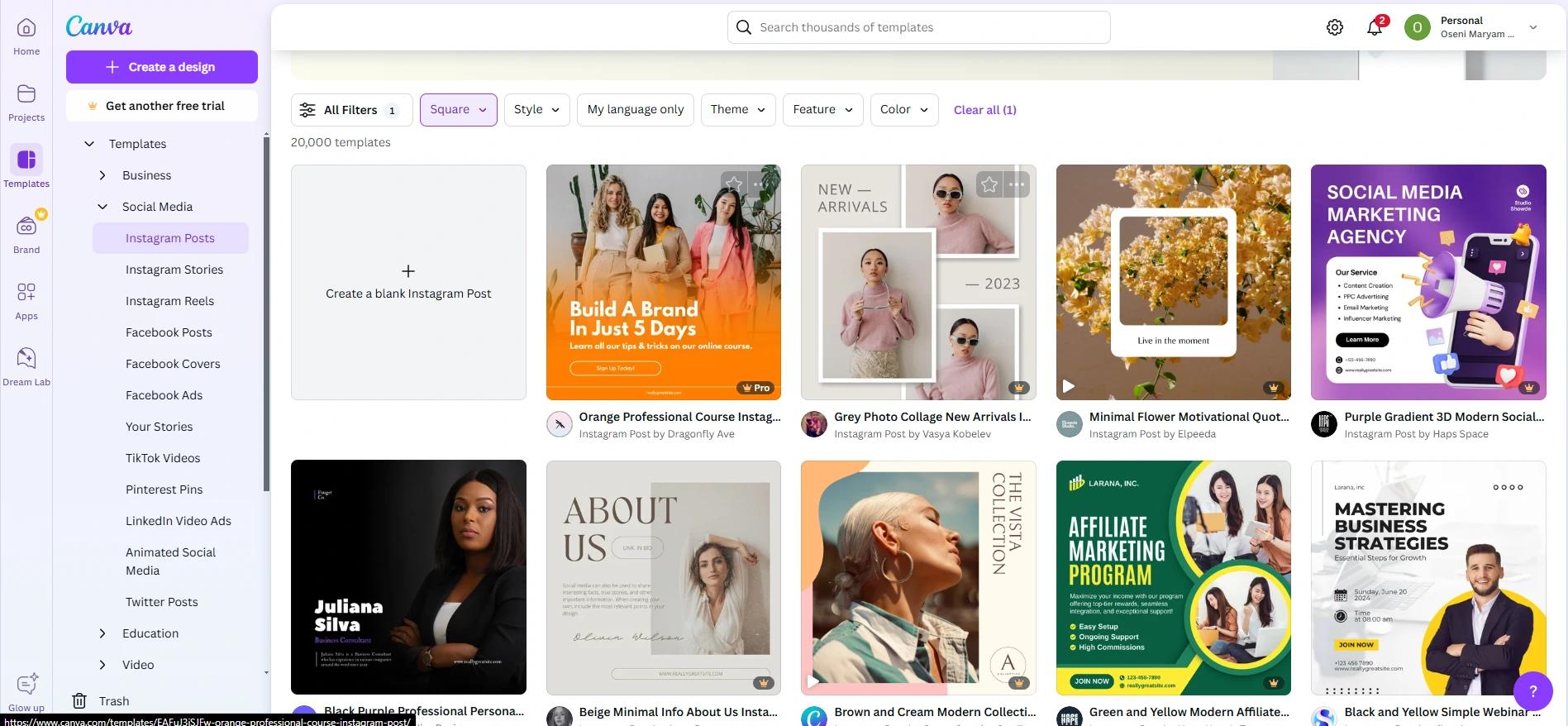
Canva is the clearest case because it is recent enough to remember. According to Backlinko, Canva now has roughly 260 million monthly active users, working from a library of around 4.5 million templates. For a business owner with no design training, that is a genuinely good deal. However, the effect at scale matched every wave before it. Same fonts, same layouts, same illustration style, and the same Instagram post structure running across thousands of accounts.
SEO content farms made everyone a publisher
The fourth wave was written, not visual. Businesses outsourced articles in bulk to content farms, and search results filled with thin pages built to rank rather than to be read. Google eventually answered it directly. When the Panda update rolled out in February 2011, Google said it "noticeably impacts 11.8% of our queries", as reported at the time by Search Engine Land. Content farms including eHow and Associated Content took the heaviest damage. In other words, the platform corrected the flood rather than the tool.
The three steps that produce slop, every single time
Read the four waves back to back and the mechanism is identical. It runs in three steps.
- A task is hard and expensive. It needs a trained person, real time, and money. Fewer people do it, and the average quality of what gets published is high because only committed people bother.
- A tool collapses the cost. Photoshop, a WordPress theme, a Canva template, an outsourced article, a prompt. The barrier drops to near zero and the volume climbs immediately.
- Untrained people produce at volume. Not badly-intentioned people. Just people who were never graphic designers, web developers or writers, now producing graphic design, websites and writing at a rate the trained professionals never could.
The sameness is a side effect of step three, not step two. Templates exist precisely so that somebody without the skill can still ship something workable, and that is a good thing. Although the trade is unavoidable: the same shortcut that helps one person get unstuck, applied by a million people, produces a million similar outputs.
The awkward part: the critics are using the same tools
Spend an hour in the comments under any AI-generated post and a pattern shows up. A large share of the loudest objections come from people working in graphic design and image editing. That is not hypocrisy exactly, but it is worth sitting with, because those disciplines were rebuilt by exactly this kind of tool.
Before Photoshop and Illustrator, graphic design meant drawing it out and putting in the heavy manual work. When those programs arrived, the same argument ran: if you cannot do it by hand, do not do it by computer. Photoshop did not replace the designer. It made the work faster, and the good designers stayed good. Similarly, the argument now reads: if I do it by hand, do not do it by AI.
In our experience working with small business owners, the people who worry hardest about this are usually the ones producing the least slop. They are the ones checking the output. The genuine slop tends to come from accounts that have stopped reading what they publish, which is a habit problem rather than a tooling problem.
How to avoid making AI slop
Avoiding slop is not about using less AI. It is about where the human sits in the process. Here is the sequence we use.
- Decide the point before you open the tool. Write the one thing you want the reader to walk away with, in a sentence, before you type a prompt. A model will happily produce 800 competent words with no point in them, because you never gave it one.
- Feed it your own material. Give it your transcript, your notes, your pricing, your customer objections. Generic input produces generic output, which is the mechanism behind why AI gives generic answers more often than people expect.
- Cut the first draft by a third. The parts you cut are almost always the parts that could sit on anyone's website. What survives is the specific bit.
- Add one thing only you could have written. A real number from your own accounts, a customer's exact words, something that went wrong last month. This is the single highest-value edit and it takes two minutes.
- Read it out loud before publishing. If you stumble, so will the reader. Therefore the sentence gets rewritten, not shipped.
- Publish less than the tool can produce. Capacity is not a target. Four considered posts beat forty automatic ones, and the maths on attention has not changed just because production got cheaper.
Pro tip: the fastest way to spot your own slop is to open your last ten posts and ask which of them a competitor could have published unchanged. Anything that passes that test is not carrying your business anywhere. If most of them pass it, the problem is not the model you used, it is that nothing of yours went in.
If you want the mechanics of this rather than the principle, our step-by-step AI content workflow walks through the same idea as a repeatable process.
What the pattern predicts next
History gives a reasonable forecast here, because four previous waves all resolved the same way.
First, the platforms adjust. Google did it with Panda in 2011 and has continued adjusting for AI-generated content since. Distribution gets harder for volume plays, and the correction lands on the flood rather than on the tool.
Next, the tool becomes ordinary. Nobody describes a website as WordPress slop any more, even though a large share of the web still runs on WordPress themes. The complaint fades once the novelty does, and the tool stops being the story.
Finally, the skill gap reappears somewhere new. Photoshop did not end graphic design, it moved the value from execution to judgement. Canva did the same. AI is doing it again, and the value is moving to the person who knows what good looks like and is willing to reject nine outputs to keep one.
The honest summary is the one that closes the video this article came from. AI slop is everywhere. Canva slop was everywhere. What is actually everywhere is human slop, and it has been for a long time. Use AI for the tasks that genuinely save you hours inside a process you understand, and stay the human at the end of it.
FAQ
What does AI slop mean?
AI slop means low-quality digital content produced in high volume using generative AI tools. Merriam-Webster, which made slop its 2025 Word of the Year, defines it as digital content of low quality produced usually in quantity by means of artificial intelligence. The defining feature is volume without judgement, not the involvement of AI itself.
Is all AI-generated content slop?
No. Content becomes slop when three things happen together: the output is generic, the volume is high, and nobody applied judgement before publishing. AI-assisted work that carries specific information, real numbers and a clear point is not slop, regardless of which tool produced the first draft.
Why do people say Canva slop and AI slop mean the same thing?
Because they describe the same mechanism at different dates. Canva made design available to people without design training, and the result was millions of posts sharing the same fonts and layouts. Generative AI has done the same for writing and images. In both cases the sameness came from untrained volume, not from a flaw in the tool.
How do I stop my own content becoming AI slop?
First, decide your point before opening the tool. Then feed it your own material rather than a generic prompt. Next, cut the first draft by a third and add at least one detail only you could have written. Finally, publish less than the tool is capable of producing, because capacity is not a content strategy.
Will AI slop damage my search rankings?
Thin, duplicative content has been a ranking risk since long before generative AI existed. For example, Google's Panda update in 2011 hit 11.8% of queries specifically to demote low-value pages. Since then, its guidance has continued to reward content made for people over content made at volume for search engines. Therefore publishing helpful, specific pages is the same defence it always was.
If you would rather work through this properly than guess at it, you can join our membership. Because the practical side of using AI well is a habit, and habits are easier to build alongside other owners doing the same thing.
Disclosure: Some links in this article are referral links. If you use one, I may earn a commission at no extra cost to you. I only link to tools I actually use.
How this was made: The facts, numbers and examples in this article come from my own work and videos. I use AI to help draft and structure the writing, then I review and edit every line myself before it goes live.

About the author
I'm Wayne St Ledger, and I run St Ledger Marketing. I started out in construction as a plasterer, then went on to a Bachelor's in Marketing and a Master's in International Business, which is where my bias toward results over talk comes from. I help business owners build marketing systems they actually understand, using AI in grounded, practical ways rather than hype. I also run a YouTube channel on marketing and AI, and The AI Marketing Hub, my own community for business owners and marketers putting AI to work properly.